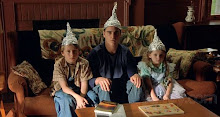
I look forward to the MSTed version of "The Passion of The Christ". I know, I'm going to hell.
I'm from Texas. Hell is a joke.
Thursday, February 26, 2004


Below is the Spirit playlist, along with some explanations by Adler for why the songs were chosen. A sol is a Martian day, slightly longer than a day on Earth at 24 hours, 37 minutes.
* Sol 2: Good Morning, Good Morning, by the Beatles.
* Sol 3: Oh What a Beautiful Mornin', by Rodgers and Hammerstein.
* Sol 4: Hail to the Chief, by the Mormon Tabernacle Choir. (Presidential phone call.)
* Sol 5: Satisfaction, by the Rolling Stones. ("I can't get no ...", Air bags not cooperating.)
* Sol 6: Get Up, Stand Up, by Bob Marley. (Lift mechanism actuated.)
* Sol 7: Da Da Da, by Casaca. (Brazilian song suggested by investigator from Brazil, RRGTM student that week from Brazil.)
* Sol 8: Soak Up the Sun, by Cheryl Crow. (Laid-back sol.)
* Sol 9: I Can See Clearly Now, by Jimmy Cliff. (Picture taking sol.)
* Sol 10: Unchained, by Van Halen; Hit the Road Jack, by Buster Poindexter; Turn, Turn, Turn, by the Byrds. (Cable-cutting, backup on landing deck. start turn on deck.)
* Sol 11: I Get Around, by the Beach Boys; Round and Round, by Ratt; You Spin Me 'Round, by Thala. (Rest of turn on landing deck.)
* Sol 12: Born to be Wild, by Steppenwolf; Rawhide, by Riders in the Sky; Who Let The Dogs Out?, by the Baha Men. (Egress.)
* Sol 13: Reach Out, by the Four Tops. (First robotic arm activity.)
* Sol 14: You've Got The Magic Touch, by the Platters. (Touching robotic arm down on Mars.)
* Sol 15: If You Love Somebody Set Them Free, by Sting; Roam, by The B-52's; Good Times Roll, by The Cars. (Last engineering activities, first drive on the surface.)
* Sol 16: After Midnight, by Eric Clapton; Trash Day, by Weird Al Yankovic. (Crew starts Mars day after California midnight, part of the sol dedicated to deleting contents of flash.)
* Sol 17: We Will Rock You, by Queen. (First arm activities and observations on a rock.)
* Sol 18: Sledgehammer, by Peter Gabriel. (Intended first [Rock Abrasion Tool] RAT sol, though ran into problems later, to put it mildly.)
* Sol 19: S.O.S., by Abba. (Objective was to regain contact with Spirit after a loss of communications. We did.)
* Sol 20: Baby, Talk to Me, from the musical Bye Bye Birdie. (Objective was to get Spirit to send data. She did.)
* Sol 21: Satellite, by The Hooters. (A rousing lullaby for when we were trying, and succeeded, to get the rover to go to sleep.)
* Sol 22: We Can Work it Out, by The Beatles. (Beginning debugging activities to get Spirit back to normal.)
* Sol 23: Start Me Up, by the Rolling Stones. (Booting in crippled mode.)
* Sol 24: Flash, by Queen. (Clearly a flash problem, continuing to debug.)
* Sol 25: (You're The) Devil In Disguise, by Elvis Presley, and With a Little Help From My Friends, by The Beatles. (Continuing debug, got picture!)
* Sol 26: I Want a New Drug, by Huey Lewis & The News. (Trying yet another recipe for getting task trace, still didn't work.)
* Sol 27: Anticipation, by Carly Simon. (Seeing if the file deletes will do the trick or not. They did.)
* Sol 28: On the Road Again, by Willie Nelson. ("Can't wait to get back on ...", back to normal use of the flash file system, itching to get going.)
* Sol 29: Here Comes the Sun, by The Beatles. (More normal operations, Mars Express coordinated overflight.)
* Sol 30: Lean On Me, performed by Club Nouveau. (Intended RAT brush sol, pressing RAT on rock, though activities did not complete.)
* Sol 31: I Wanna Be Sedated, by the Ramones. (Very low activity sol to get the rover rested and ready for surgery on the following sol.)
* Sol 32: Wipe Out, by The Surfaris, and We're Not Gonna Take It, by
* Twisted Sister. (File system reformat.)
* Sol 33: Back In the Saddle Again, by Gene Autry, and The Star Spangled Banner, performed by Beyonc. (Back to normal operations, color flag picture on RAT.)
* Sol 34: The Laundry Cycle: Pounded on a Rock, by The Bobs, and Bump N' Grind, by R. Kelly. (First RAT grinding.)
* Sol 35: Up Around the Bend, by Credence Clearwater Revival. (Intended drive around lander to begin drive to crater. Didn't get anywhere though.)
* Sol 36: Stuck On You, by Elvis Presley. (Drive didn't work yestersol -- we've been stuck here for weeks. Drive did work later that sol.)
* Sol 37: Proud Mary, performed by Tina Turner. ("And we're rolling, rolling, rolling on the river ...", first long drive, ended up being more than 20 meters.)
* Sol 38: Runnin' With the Devil, by Van Halen. (HGA [High Gain Antenna] problem that sol, no activities, song played late in the sol.)
* Sol 39: Hit the Road Jack, by Buster Poindexter. (Another long drive -- yes, this is a reuse of that song.)
* Sol 40: What a Wonderful World, by Louis Armstrong. (Mars, that is.)
* Sol 41: Open Road Song, by Eve 6. (Driving song, though only did several inches of driving to position in front of rock.)
* Sol 42: Lift Up Every Stone, by John Hiatt. (Observations of the rock "Mimi".)
* Sol 43: Livin' On a Prayer, by Bon Jovi. (Many sols tend to start with our fingers crossed.)
* Sol 44: Way Over Yonder, by Carole King. (Heading for that crater.)
* Sol 45: Touch Me in the Morning, by Diana Ross. (Touch and go sol.)
* Sol 46: Wake Up Little Susie, by The Everly Brothers. (Generic wake-up song.)
* Sol 47: Dig Down Deep, by Hot Soup. (Trenching sol.)
* Sol 48: Working in the Coal Mine, by Devo. (Working in the trench.)
* Sol 49: Coisinha Do Pai, by Beth Carvalho. (Brazilian song played on Mars Pathfinder, played again for Carnival weekend.)
* Sol 50: Samba De Marte, by Beth Carvalho. (Brazilian song written by same artist inspired by use of previous song on MPF, this one is a "Mars Samba", also for Carnival weekend. Starts off "Hello NASA!".)
* Sol 51: Chariots of Fire, by Vangelis. (Appropriate for slow-motion races.)
* Sol 2: Good Morning, Good Morning, by the Beatles.
* Sol 3: Oh What a Beautiful Mornin', by Rodgers and Hammerstein.
* Sol 4: Hail to the Chief, by the Mormon Tabernacle Choir. (Presidential phone call.)
* Sol 5: Satisfaction, by the Rolling Stones. ("I can't get no ...", Air bags not cooperating.)
* Sol 6: Get Up, Stand Up, by Bob Marley. (Lift mechanism actuated.)
* Sol 7: Da Da Da, by Casaca. (Brazilian song suggested by investigator from Brazil, RRGTM student that week from Brazil.)
* Sol 8: Soak Up the Sun, by Cheryl Crow. (Laid-back sol.)
* Sol 9: I Can See Clearly Now, by Jimmy Cliff. (Picture taking sol.)
* Sol 10: Unchained, by Van Halen; Hit the Road Jack, by Buster Poindexter; Turn, Turn, Turn, by the Byrds. (Cable-cutting, backup on landing deck. start turn on deck.)
* Sol 11: I Get Around, by the Beach Boys; Round and Round, by Ratt; You Spin Me 'Round, by Thala. (Rest of turn on landing deck.)
* Sol 12: Born to be Wild, by Steppenwolf; Rawhide, by Riders in the Sky; Who Let The Dogs Out?, by the Baha Men. (Egress.)
* Sol 13: Reach Out, by the Four Tops. (First robotic arm activity.)
* Sol 14: You've Got The Magic Touch, by the Platters. (Touching robotic arm down on Mars.)
* Sol 15: If You Love Somebody Set Them Free, by Sting; Roam, by The B-52's; Good Times Roll, by The Cars. (Last engineering activities, first drive on the surface.)
* Sol 16: After Midnight, by Eric Clapton; Trash Day, by Weird Al Yankovic. (Crew starts Mars day after California midnight, part of the sol dedicated to deleting contents of flash.)
* Sol 17: We Will Rock You, by Queen. (First arm activities and observations on a rock.)
* Sol 18: Sledgehammer, by Peter Gabriel. (Intended first [Rock Abrasion Tool] RAT sol, though ran into problems later, to put it mildly.)
* Sol 19: S.O.S., by Abba. (Objective was to regain contact with Spirit after a loss of communications. We did.)
* Sol 20: Baby, Talk to Me, from the musical Bye Bye Birdie. (Objective was to get Spirit to send data. She did.)
* Sol 21: Satellite, by The Hooters. (A rousing lullaby for when we were trying, and succeeded, to get the rover to go to sleep.)
* Sol 22: We Can Work it Out, by The Beatles. (Beginning debugging activities to get Spirit back to normal.)
* Sol 23: Start Me Up, by the Rolling Stones. (Booting in crippled mode.)
* Sol 24: Flash, by Queen. (Clearly a flash problem, continuing to debug.)
* Sol 25: (You're The) Devil In Disguise, by Elvis Presley, and With a Little Help From My Friends, by The Beatles. (Continuing debug, got picture!)
* Sol 26: I Want a New Drug, by Huey Lewis & The News. (Trying yet another recipe for getting task trace, still didn't work.)
* Sol 27: Anticipation, by Carly Simon. (Seeing if the file deletes will do the trick or not. They did.)
* Sol 28: On the Road Again, by Willie Nelson. ("Can't wait to get back on ...", back to normal use of the flash file system, itching to get going.)
* Sol 29: Here Comes the Sun, by The Beatles. (More normal operations, Mars Express coordinated overflight.)
* Sol 30: Lean On Me, performed by Club Nouveau. (Intended RAT brush sol, pressing RAT on rock, though activities did not complete.)
* Sol 31: I Wanna Be Sedated, by the Ramones. (Very low activity sol to get the rover rested and ready for surgery on the following sol.)
* Sol 32: Wipe Out, by The Surfaris, and We're Not Gonna Take It, by
* Twisted Sister. (File system reformat.)
* Sol 33: Back In the Saddle Again, by Gene Autry, and The Star Spangled Banner, performed by Beyonc. (Back to normal operations, color flag picture on RAT.)
* Sol 34: The Laundry Cycle: Pounded on a Rock, by The Bobs, and Bump N' Grind, by R. Kelly. (First RAT grinding.)
* Sol 35: Up Around the Bend, by Credence Clearwater Revival. (Intended drive around lander to begin drive to crater. Didn't get anywhere though.)
* Sol 36: Stuck On You, by Elvis Presley. (Drive didn't work yestersol -- we've been stuck here for weeks. Drive did work later that sol.)
* Sol 37: Proud Mary, performed by Tina Turner. ("And we're rolling, rolling, rolling on the river ...", first long drive, ended up being more than 20 meters.)
* Sol 38: Runnin' With the Devil, by Van Halen. (HGA [High Gain Antenna] problem that sol, no activities, song played late in the sol.)
* Sol 39: Hit the Road Jack, by Buster Poindexter. (Another long drive -- yes, this is a reuse of that song.)
* Sol 40: What a Wonderful World, by Louis Armstrong. (Mars, that is.)
* Sol 41: Open Road Song, by Eve 6. (Driving song, though only did several inches of driving to position in front of rock.)
* Sol 42: Lift Up Every Stone, by John Hiatt. (Observations of the rock "Mimi".)
* Sol 43: Livin' On a Prayer, by Bon Jovi. (Many sols tend to start with our fingers crossed.)
* Sol 44: Way Over Yonder, by Carole King. (Heading for that crater.)
* Sol 45: Touch Me in the Morning, by Diana Ross. (Touch and go sol.)
* Sol 46: Wake Up Little Susie, by The Everly Brothers. (Generic wake-up song.)
* Sol 47: Dig Down Deep, by Hot Soup. (Trenching sol.)
* Sol 48: Working in the Coal Mine, by Devo. (Working in the trench.)
* Sol 49: Coisinha Do Pai, by Beth Carvalho. (Brazilian song played on Mars Pathfinder, played again for Carnival weekend.)
* Sol 50: Samba De Marte, by Beth Carvalho. (Brazilian song written by same artist inspired by use of previous song on MPF, this one is a "Mars Samba", also for Carnival weekend. Starts off "Hello NASA!".)
* Sol 51: Chariots of Fire, by Vangelis. (Appropriate for slow-motion races.)
* Enchiladas or Tacos or Something Pretty Disgusting *
* inspired by [319] Mr. B Natural/War of the Colossal Beast *
* apologies to "The Taste of Mexico", pub. Stewart, Tabori & *
* Chang *
[[The following recipe allows you, the hapless cook, to make
some of your own decisions for once. Due to the high number of
permutations, an ingredient list will not be given.]]
Sauce
-----
Boil 1.5 qts. water in a saucepan. Add 3 tomatoes or 14 husked
tomatillos or a tom-tom or two; half a white onion, sliced or
unsliced; 3 or 4 whole garlic cloves; and 4 chiles serranos or 2
chiles chipetlos or 2 chiles jalapenos or a chilly chicano. Boil
for 25-30 min.-- the sauce, that is. Drain and reserve water. Place
in food processor or blender or hazardous waste disposal. Blend
with: .5 white onion, sliced or unsliced; 2-4 whole garlic cloves;
30 sprigs cilantro or 1 c. cilantro; and 3 chiles serranos or 1
large California avocado. Add water to adjust texture. Salt to
taste or taste to salt.
Stuffing
--------
Boil 2 qts. water in a saucepan or heat .75 c. vegetable oil in
a frying pan. Brown 4 whole garlic cloves and discard, or don't
bother with them at all. Add 3 halved chicken breasts or 1.75 lb.
parsed shrimp; 4 whole garlic cloves or 4 finely chopped chiles
cuaresmenos or jalapenos; up to 30 sprigs cilantro; and 5 finely
chopped large tomatoes or 1 coarsely sliced white onion or just
about any random hacked-at vegetable. Cook over low heat for 30
min. or until thick. Shred chicken if necessary. While you're at
it, shred this recipe.
Shells
------
Get 1-1.5c. vegetable oil. Heat part of it in a frying pan.
Take individual corn tortillas and fry them one by one, adding oil
as necessary.
Or mosey on over to your local supermarket and get some pre-
made flour tortillas.
Or go out and do something meaningful with your life.
Spread sauce on tortillas or various parts of your body. Wrap
stuffing in tortillas, or, if something really strange has happened,
wrap tortillas in stuffing.
Garnish
-------
Pour over this concoction 1 qt. creme fraiche or .5 c. sour
cream or .5 c. heavy cream or .75 c. half-and-half or a mixture of
.5 c. + 2 tsp. creme fraiche, 1 c. sour cream, and .5 c. half-and-
half. Sprinkle over this 2 c. crumbled or grated feta or Ocotzingo
or ricotta or manchego or Chihuahua or Oaxaca or mozzarella or
farmer or Monterey jack cheese; 1 c. finely chopped white or green
onion; and .75 c. chopped parsley or 2 more c. grated manchego or
Chihuahua or Pomeranian or German Shepherd or Oaxaca or mozzarella
or Monterey jack cheese or cheesy movies (the worst you can find!).
Should make 24 of whatever it is. Serve hot or cold or in the
pot nine days old or use as slug bait.
[[Some permutations of this may actually be edible.]]
* inspired by [319] Mr. B Natural/War of the Colossal Beast *
* apologies to "The Taste of Mexico", pub. Stewart, Tabori & *
* Chang *
[[The following recipe allows you, the hapless cook, to make
some of your own decisions for once. Due to the high number of
permutations, an ingredient list will not be given.]]
Sauce
-----
Boil 1.5 qts. water in a saucepan. Add 3 tomatoes or 14 husked
tomatillos or a tom-tom or two; half a white onion, sliced or
unsliced; 3 or 4 whole garlic cloves; and 4 chiles serranos or 2
chiles chipetlos or 2 chiles jalapenos or a chilly chicano. Boil
for 25-30 min.-- the sauce, that is. Drain and reserve water. Place
in food processor or blender or hazardous waste disposal. Blend
with: .5 white onion, sliced or unsliced; 2-4 whole garlic cloves;
30 sprigs cilantro or 1 c. cilantro; and 3 chiles serranos or 1
large California avocado. Add water to adjust texture. Salt to
taste or taste to salt.
Stuffing
--------
Boil 2 qts. water in a saucepan or heat .75 c. vegetable oil in
a frying pan. Brown 4 whole garlic cloves and discard, or don't
bother with them at all. Add 3 halved chicken breasts or 1.75 lb.
parsed shrimp; 4 whole garlic cloves or 4 finely chopped chiles
cuaresmenos or jalapenos; up to 30 sprigs cilantro; and 5 finely
chopped large tomatoes or 1 coarsely sliced white onion or just
about any random hacked-at vegetable. Cook over low heat for 30
min. or until thick. Shred chicken if necessary. While you're at
it, shred this recipe.
Shells
------
Get 1-1.5c. vegetable oil. Heat part of it in a frying pan.
Take individual corn tortillas and fry them one by one, adding oil
as necessary.
Or mosey on over to your local supermarket and get some pre-
made flour tortillas.
Or go out and do something meaningful with your life.
Spread sauce on tortillas or various parts of your body. Wrap
stuffing in tortillas, or, if something really strange has happened,
wrap tortillas in stuffing.
Garnish
-------
Pour over this concoction 1 qt. creme fraiche or .5 c. sour
cream or .5 c. heavy cream or .75 c. half-and-half or a mixture of
.5 c. + 2 tsp. creme fraiche, 1 c. sour cream, and .5 c. half-and-
half. Sprinkle over this 2 c. crumbled or grated feta or Ocotzingo
or ricotta or manchego or Chihuahua or Oaxaca or mozzarella or
farmer or Monterey jack cheese; 1 c. finely chopped white or green
onion; and .75 c. chopped parsley or 2 more c. grated manchego or
Chihuahua or Pomeranian or German Shepherd or Oaxaca or mozzarella
or Monterey jack cheese or cheesy movies (the worst you can find!).
Should make 24 of whatever it is. Serve hot or cold or in the
pot nine days old or use as slug bait.
[[Some permutations of this may actually be edible.]]
* Rice Krispie Treats Gone Horribly Wrong *
Ingredients
-----------
.25 c butter
4 c marshmallows
2 c semisweet chocolate chips
3 c crumbled graham crackers
Put the butter and marshmallows in a bowl and microwave for
3-4 min. Stir until fairly smooth. Nuke for another 2 min. and add cho-
colate chips immediately. Stir until texture is more or less even. Add
other stuff and mix well.
Form mixture into lumps 1" or so in diameter and set on greased
cookie sheet to cool. Should make 20-30 goofballs, depending on how much
sampling you've been doing.
[[I ate this and lived! (If you can call this living!)]]
* Rice Krispie Treats Gone Even More Horribly Wrong *
Ingredients
-----------
.25 c butter
4 c marshmallows
1 c white chocolate chips
4 c almonds, Rice Krispies, or even... more marshmallows!
.5 t mint extract
food coloring (optional)
Put butter and marshmallows in bowl and microwave for 3-4 min.
Stir until texture is fairly even. Nuke for 2 more min., then add white
chocolate immediately. Stir until fairly smooth; let cool a bit. Add
filler and mint extract. Also add drops of food coloring for psyche-
delic appearance.
Form balls about 1" in diameter (from the mixture, dummy) and
place on greased cookie sheet to cool. Should make about 20-30 goof-
balls, not including the bipedal ones who will be watching over your
shoulder at this point, wondering what the hell you're doing.
[[Look! Lokk1 i Can sti;; typpe]]
Ingredients
-----------
.25 c butter
4 c marshmallows
2 c semisweet chocolate chips
3 c crumbled graham crackers
Put the butter and marshmallows in a bowl and microwave for
3-4 min. Stir until fairly smooth. Nuke for another 2 min. and add cho-
colate chips immediately. Stir until texture is more or less even. Add
other stuff and mix well.
Form mixture into lumps 1" or so in diameter and set on greased
cookie sheet to cool. Should make 20-30 goofballs, depending on how much
sampling you've been doing.
[[I ate this and lived! (If you can call this living!)]]
* Rice Krispie Treats Gone Even More Horribly Wrong *
Ingredients
-----------
.25 c butter
4 c marshmallows
1 c white chocolate chips
4 c almonds, Rice Krispies, or even... more marshmallows!
.5 t mint extract
food coloring (optional)
Put butter and marshmallows in bowl and microwave for 3-4 min.
Stir until texture is fairly even. Nuke for 2 more min., then add white
chocolate immediately. Stir until fairly smooth; let cool a bit. Add
filler and mint extract. Also add drops of food coloring for psyche-
delic appearance.
Form balls about 1" in diameter (from the mixture, dummy) and
place on greased cookie sheet to cool. Should make about 20-30 goof-
balls, not including the bipedal ones who will be watching over your
shoulder at this point, wondering what the hell you're doing.
[[Look! Lokk1 i Can sti;; typpe]]
* Killer Shrew *
* from [407] Junior Rodeo Daredevils/The Killer Shrews *
Place in a blender:
1 industrial-sized scoop chocolate ice cream
1 or 2 shakes Captain Crunch with Crunchberries
1 medium bag peanut M&M's (minus the bag)
3 seconds' worth Mrs. Butterworth's
1 handful circus peanuts
1 can Mr. Pibbs
some marshmallow Peeps
enough SweeTarts to power Las Vegas for a week
1 generous dollop vanilla frosting
Blend until homogeneous. Should have the consistency of
YooHoo. Pour into a tulip glass, preferably after having removed
the tulips, and garnish with a wind-up shrew. Serve with Valium and
rock climbing.
* from [407] Junior Rodeo Daredevils/The Killer Shrews *
Place in a blender:
1 industrial-sized scoop chocolate ice cream
1 or 2 shakes Captain Crunch with Crunchberries
1 medium bag peanut M&M's (minus the bag)
3 seconds' worth Mrs. Butterworth's
1 handful circus peanuts
1 can Mr. Pibbs
some marshmallow Peeps
enough SweeTarts to power Las Vegas for a week
1 generous dollop vanilla frosting
Blend until homogeneous. Should have the consistency of
YooHoo. Pour into a tulip glass, preferably after having removed
the tulips, and garnish with a wind-up shrew. Serve with Valium and
rock climbing.
Tuesday, February 24, 2004
my buddy Rick pens a lovely birthday present for his daughter....
Do You Believe
copyright 2004 by Rick Thorne
Now I know the world isn't perfect
And I know that you agree
And I know that I'm not perfect
And I don't pretend to be
So when I say what I say
It might be ironic, it might be satirical
And when I say it the way I say it
It might be flat and it might be lyrical
But I hope you know I mean it
I don't mean to deceive
The only question left for you
Is do you believe?
La da-daaaa da
La-da daa da-da
La-da daa da-da
La da-daaaa da
La-da-da da-daa da daa
Oh I know it's so overwhelming
But lose your dismay
Oh yeah, it's so overwhelming
But please don't turn away
And I'm sorry if what I say
Is gathering like a hurricane looming
It's just so hard to say
When your heart's on fire and it's all-consuming
But there's nothing under my hat
Nothing up my sleeve
And my heart is in my hand
So do you believe?
La da-daaaa da
La-da daa da-da
La-da daa da-da
La da-daaaa da
La-da-da da-daa da daa
Now I know the world isn't perfect
And that's been said before
And you know that I'm not perfect
And I don't need to say that anymore
So forgive me if what I say
Is kind of sarcastic, or kind of satirical
Nothing mystical in what I say
Don't hope for magic, don't look for a miracle
But I have one thought to share
And I hope you will receive
I love you like a warm day in summer
Do you believe?
La da-daaaa da
La-da daa da-da
La-da daa da-da
La da-daaaa da
La-da-da da-daa da daa
Do You Believe
copyright 2004 by Rick Thorne
Now I know the world isn't perfect
And I know that you agree
And I know that I'm not perfect
And I don't pretend to be
So when I say what I say
It might be ironic, it might be satirical
And when I say it the way I say it
It might be flat and it might be lyrical
But I hope you know I mean it
I don't mean to deceive
The only question left for you
Is do you believe?
La da-daaaa da
La-da daa da-da
La-da daa da-da
La da-daaaa da
La-da-da da-daa da daa
Oh I know it's so overwhelming
But lose your dismay
Oh yeah, it's so overwhelming
But please don't turn away
And I'm sorry if what I say
Is gathering like a hurricane looming
It's just so hard to say
When your heart's on fire and it's all-consuming
But there's nothing under my hat
Nothing up my sleeve
And my heart is in my hand
So do you believe?
La da-daaaa da
La-da daa da-da
La-da daa da-da
La da-daaaa da
La-da-da da-daa da daa
Now I know the world isn't perfect
And that's been said before
And you know that I'm not perfect
And I don't need to say that anymore
So forgive me if what I say
Is kind of sarcastic, or kind of satirical
Nothing mystical in what I say
Don't hope for magic, don't look for a miracle
But I have one thought to share
And I hope you will receive
I love you like a warm day in summer
Do you believe?
La da-daaaa da
La-da daa da-da
La-da daa da-da
La da-daaaa da
La-da-da da-daa da daa
Saturday, February 21, 2004
http://www.cropcircleresearch.com/articles/arecibo.html
(Crop circle formation) resembled a radio transmission that SETI (the Search for Extra-Terrestrial Intelligence) sent from the Arecibo radio telescope in 1974. This latter formation will be examined in this article, in which I hope to not only describe and explain the original transmission, but also to examine and decode a number of significant changes occurring in the crop formation.
After speaking to witnesses, it would appear that the 'Arecibo' formation was created on August 20th.
Why 1679 digits?
The reason for this is down to mathematics. 1679 is the unique product of two prime numbers; 23 and 73. Any sufficiently intelligent lifeform would no doubt look for unique, universal constructs - such as prime numbers, chemical element frequencies and binary digits. Don't forget that because we could be trying to communicate with an intelligence completely different to our own, we cannot talk in terms of 'human' systems, such as centimetres, feet, decimal numbers etc.
Decoding the original message
The original message was comprised of several 'sections', each depicting a particular aspect of 'our civilisation'.
At the top are binary representations of the numbers one through to ten, interestingly showing the numbers eight, nine and ten as two columns. This shows anyone decoding the message that we can specify that numbers too large to be written on a single line can be 'carried over'.
The next section contains the binary values 1,6,7,8 and 15 which indicate the atomic numbers of the primary elements for life on Earth; Hydrogen, Carbon, Nitrogen, Oxygen and Phosphorus respectively.
The larger section of three rows, represents the formulas for the sugars and bases in the nucleotides of DNA. Beneath this is a graphical representation of our DNA 'double helix' either side of a 'straight vertical bar' which indicates the number of nucleotides in DNA.
Directly below the DNA double helix is a small representation of us - humans - with a body and two arms and two legs (like a little stick man). On the left is a binary value of the population of Earth. This can be calculated as roughly 4.29 billion, which is roughly the population of the world, back in 1974. On the right of the humanoid form is a binary code for the height of humans. Because we cannot communicate in 'human' measurements (such as feet and inches) the height is represented in 'wavelength units'. As mentioned earlier, the actual message was transmitted on 2380MHz. To convert this into a wavelength we divide into 300, to obtain a wavelength in metres. 300/2380 = 0.12605042m = 12.6cm. This is our 'wavelength unit'.
From the code for the height of a human, we can see that the value is 1110 in binary, or 14 in decimal. If we multiply 14 by our wavelength unit (12.6) we get 176.4cm, or roughly 5'9" - the average height of humans.
The next section is a simplified representation of our Solar System - where we live. It shows the sun and nine planets, roughly representative of size. By moving the third planet up slightly it highlights that something is significant about the third planet from the sun - Earth.
The last section depicts the origin of the message itself - the Arecibo radio telescope, which is the curved structure. Underneath this, as the last two lines of the message, is another binary number. This time it's 100101111110 (split onto two lines in the centre) and equates to 2430 in decimal. Again, using our universal 'wavelength units' we get 2430*12.6cm which is 30618cm - or approx 1000', the diameter of the Arecibo radio dish.
(Crop circle formation) resembled a radio transmission that SETI (the Search for Extra-Terrestrial Intelligence) sent from the Arecibo radio telescope in 1974. This latter formation will be examined in this article, in which I hope to not only describe and explain the original transmission, but also to examine and decode a number of significant changes occurring in the crop formation.
After speaking to witnesses, it would appear that the 'Arecibo' formation was created on August 20th.
Why 1679 digits?
The reason for this is down to mathematics. 1679 is the unique product of two prime numbers; 23 and 73. Any sufficiently intelligent lifeform would no doubt look for unique, universal constructs - such as prime numbers, chemical element frequencies and binary digits. Don't forget that because we could be trying to communicate with an intelligence completely different to our own, we cannot talk in terms of 'human' systems, such as centimetres, feet, decimal numbers etc.
Decoding the original message
The original message was comprised of several 'sections', each depicting a particular aspect of 'our civilisation'.
At the top are binary representations of the numbers one through to ten, interestingly showing the numbers eight, nine and ten as two columns. This shows anyone decoding the message that we can specify that numbers too large to be written on a single line can be 'carried over'.
The next section contains the binary values 1,6,7,8 and 15 which indicate the atomic numbers of the primary elements for life on Earth; Hydrogen, Carbon, Nitrogen, Oxygen and Phosphorus respectively.
The larger section of three rows, represents the formulas for the sugars and bases in the nucleotides of DNA. Beneath this is a graphical representation of our DNA 'double helix' either side of a 'straight vertical bar' which indicates the number of nucleotides in DNA.
Directly below the DNA double helix is a small representation of us - humans - with a body and two arms and two legs (like a little stick man). On the left is a binary value of the population of Earth. This can be calculated as roughly 4.29 billion, which is roughly the population of the world, back in 1974. On the right of the humanoid form is a binary code for the height of humans. Because we cannot communicate in 'human' measurements (such as feet and inches) the height is represented in 'wavelength units'. As mentioned earlier, the actual message was transmitted on 2380MHz. To convert this into a wavelength we divide into 300, to obtain a wavelength in metres. 300/2380 = 0.12605042m = 12.6cm. This is our 'wavelength unit'.
From the code for the height of a human, we can see that the value is 1110 in binary, or 14 in decimal. If we multiply 14 by our wavelength unit (12.6) we get 176.4cm, or roughly 5'9" - the average height of humans.
The next section is a simplified representation of our Solar System - where we live. It shows the sun and nine planets, roughly representative of size. By moving the third planet up slightly it highlights that something is significant about the third planet from the sun - Earth.
The last section depicts the origin of the message itself - the Arecibo radio telescope, which is the curved structure. Underneath this, as the last two lines of the message, is another binary number. This time it's 100101111110 (split onto two lines in the centre) and equates to 2430 in decimal. Again, using our universal 'wavelength units' we get 2430*12.6cm which is 30618cm - or approx 1000', the diameter of the Arecibo radio dish.
http://www.cropcirclenews.com/
http://timesofindia.indiatimes.com/articleshow/456212.cms
"Sometimes, we keep vigil over a misty farm. There is poor visibility. Suddenly the mist clears and a crop circle appears over the farm from absolutely nowhere. We are convinced that these have been created by a force and energy that that we do not understand."
What makes the circles even more intriguing, is the fact that it has been scientifically proved that the circles have affected the cellular structure of plants and the chemical composition of the soil, in a positive manner.
"We have made several laboratory tests and have arrived at the conclusion that the productivity of the plants where a crop circle has been sighted, has improved significantly," says Blake.
According to her, the circles emit a powerful,mysterious energy,which is known to damage electronic equipment like cameras.
http://timesofindia.indiatimes.com/articleshow/456212.cms
"Sometimes, we keep vigil over a misty farm. There is poor visibility. Suddenly the mist clears and a crop circle appears over the farm from absolutely nowhere. We are convinced that these have been created by a force and energy that that we do not understand."
What makes the circles even more intriguing, is the fact that it has been scientifically proved that the circles have affected the cellular structure of plants and the chemical composition of the soil, in a positive manner.
"We have made several laboratory tests and have arrived at the conclusion that the productivity of the plants where a crop circle has been sighted, has improved significantly," says Blake.
According to her, the circles emit a powerful,mysterious energy,which is known to damage electronic equipment like cameras.
http://www.timestar.org/ccbarbury.htm
Four Euclidean rules that Hawkins identified in 12 of 19 crop circles enabled him to derive a fifth rule that Euclid had not expressed but was a logical extension of the first four. Hawkins appealed to the teachers and students who read Mathematics Teacher magazine to ask if anyone knew of published reference to a fifth rule derived from the four Euclidean theorems he had identified in 12 of 19 crop circles he had studied. None of the teachers and students who read Mathematics Teacher knew of any reference Euclid had made to such a theorem. A crop circle demonstrating the fifth rule Hawkins had derived from earlier crop circles was made the next year.
These ratios can be translated into musical notes and scales using Pythagoras' musical theory of the Lambdoma, a multiplication and division table that is the basis of diatonic scales used in Western music. Pythagorean theorems in crop circles point back to an era when the olden gods taught the mathematical foundations of Western civilization to Pythagoras. Reaching back 2,600 years into history, the timeless principles Pythagoras taught are renewed in crop circles.
Pythagoras spoke of different sorts of music to which the Lambdoma's ratios could be applied. Musica instrumentalis is the ordinary music made by playing the seven-string ancestor of the guitar the Pythagorean's invented; musica humana, is the music made by the human organism, especially the resonance between soul and body beyond the range of human hearing; and musica mundana, is the music of the cosmos, which would come to be known as the music of the spheres.
The basis of the Music Of The Spheres, according to Pythagoras, is that all matter vibrates and vibration produces sound that could be heard if were within the range of human hearing or perception. The Pythagoreans used mathematics to train the mind and sensitize perception to attune to the Ideal that Pythagoras postulated.
Four Euclidean rules that Hawkins identified in 12 of 19 crop circles enabled him to derive a fifth rule that Euclid had not expressed but was a logical extension of the first four. Hawkins appealed to the teachers and students who read Mathematics Teacher magazine to ask if anyone knew of published reference to a fifth rule derived from the four Euclidean theorems he had identified in 12 of 19 crop circles he had studied. None of the teachers and students who read Mathematics Teacher knew of any reference Euclid had made to such a theorem. A crop circle demonstrating the fifth rule Hawkins had derived from earlier crop circles was made the next year.
These ratios can be translated into musical notes and scales using Pythagoras' musical theory of the Lambdoma, a multiplication and division table that is the basis of diatonic scales used in Western music. Pythagorean theorems in crop circles point back to an era when the olden gods taught the mathematical foundations of Western civilization to Pythagoras. Reaching back 2,600 years into history, the timeless principles Pythagoras taught are renewed in crop circles.
Pythagoras spoke of different sorts of music to which the Lambdoma's ratios could be applied. Musica instrumentalis is the ordinary music made by playing the seven-string ancestor of the guitar the Pythagorean's invented; musica humana, is the music made by the human organism, especially the resonance between soul and body beyond the range of human hearing; and musica mundana, is the music of the cosmos, which would come to be known as the music of the spheres.
The basis of the Music Of The Spheres, according to Pythagoras, is that all matter vibrates and vibration produces sound that could be heard if were within the range of human hearing or perception. The Pythagoreans used mathematics to train the mind and sensitize perception to attune to the Ideal that Pythagoras postulated.
http://www.lovely.clara.net/hawkins.html
Several years ago, astronomer Gerald S. Hawkins, former Chairman of the astronomy department at Boston University, noticed that some of the most visually striking of the crop-circle patterns embodied geometric theorems that express specific numerical relationships among the areas of various circles, triangles, and other shapes making up the patterns (Science News: 2/1/92, p. 76).
http://www.sciencenews.org/sn_arch/10_12_96/note1.htm
In one case, for example, an equilateral triangle fitted snugly between an outer and an inner circle. It turns out that the area of the outer circle is precisely four times that of the inner circle.
Three other patterns also displayed exact numerical relationships, all of them involving a diatonic ratio, the simple whole-number ratios that determine a scale of musical notes. "These designs demonstrate the remarkable mathematical ability of their creators," Hawkins comments.
Hawkins found that he could use the principles of Euclidean geometry to prove four theorems derived from the relationships among the areas depicted in crop circles. He also discovered a fifth, more general theorem, from which he could derive the other four (see diagram, left). "This theorem involves concentric circles which touch the sides of a triangle, and as the [triangle] changes shape, it generates the special crop-circle geometries," he says.
Hawkins' fifth crop-circle theorem involves a triangle and various concentric circles touching the triangle's sides and corners. Different triangles give different sets of circles. An equilateral triangle produces one of the observed crop-circle patterns; three isoceles triangles generate the other crop-circle geometries.
What is most surprising is that all geometries give diatonic (musical) ratios. Never before have geometric theorems been linked with music.
Curiously, Hawkins could find no reference to such a theorem in the works of Euclid or in any other book that he consulted. When he challenged readers of Science News and The Mathematics Teacher to come up with his unpublished theorem, given only the four variations, no one reported success.
This past summer, however, "the crop-circle makers . . . showed knowledge of this fifth theorem," Hawkins reports. Among the dozens of circles surreptitiously laid down in the wheat fields of England, at least one pattern fit Hawkins' theorem.
The persons responsible for this old-fashioned type of mathematical ingenuity remain at large and unknown. Their handiwork flaunts an uncommon facility with Euclidean geometry and signals an astonishing ability to enter fields undetected, to bend living plants without cracking stalks, and to trace out complex, precise patterns, presumably using little more than pegs and ropes, all under cover of darkness.
Several years ago, astronomer Gerald S. Hawkins, former Chairman of the astronomy department at Boston University, noticed that some of the most visually striking of the crop-circle patterns embodied geometric theorems that express specific numerical relationships among the areas of various circles, triangles, and other shapes making up the patterns (Science News: 2/1/92, p. 76).
http://www.sciencenews.org/sn_arch/10_12_96/note1.htm
In one case, for example, an equilateral triangle fitted snugly between an outer and an inner circle. It turns out that the area of the outer circle is precisely four times that of the inner circle.
Three other patterns also displayed exact numerical relationships, all of them involving a diatonic ratio, the simple whole-number ratios that determine a scale of musical notes. "These designs demonstrate the remarkable mathematical ability of their creators," Hawkins comments.
Hawkins found that he could use the principles of Euclidean geometry to prove four theorems derived from the relationships among the areas depicted in crop circles. He also discovered a fifth, more general theorem, from which he could derive the other four (see diagram, left). "This theorem involves concentric circles which touch the sides of a triangle, and as the [triangle] changes shape, it generates the special crop-circle geometries," he says.
Hawkins' fifth crop-circle theorem involves a triangle and various concentric circles touching the triangle's sides and corners. Different triangles give different sets of circles. An equilateral triangle produces one of the observed crop-circle patterns; three isoceles triangles generate the other crop-circle geometries.
What is most surprising is that all geometries give diatonic (musical) ratios. Never before have geometric theorems been linked with music.
Curiously, Hawkins could find no reference to such a theorem in the works of Euclid or in any other book that he consulted. When he challenged readers of Science News and The Mathematics Teacher to come up with his unpublished theorem, given only the four variations, no one reported success.
This past summer, however, "the crop-circle makers . . . showed knowledge of this fifth theorem," Hawkins reports. Among the dozens of circles surreptitiously laid down in the wheat fields of England, at least one pattern fit Hawkins' theorem.
The persons responsible for this old-fashioned type of mathematical ingenuity remain at large and unknown. Their handiwork flaunts an uncommon facility with Euclidean geometry and signals an astonishing ability to enter fields undetected, to bend living plants without cracking stalks, and to trace out complex, precise patterns, presumably using little more than pegs and ropes, all under cover of darkness.
http://www.crystalinks.com/dropa.html
In 1938 high in the mountains of BayanKara-Ula, on the borders of China and Tibet a team of archaeologists were conducting a very detailed routine survey of a series of interlocking caves.
...one of the members of the team stumbled on a large round stone disc half buried in the dust on the floor of the cave.
The disc looked like an Stone Age record. There was a hole in the center of and a fine spiral groove that is a continuous spiralling line of closely written characters.
No one understood the meanings of the message. The disc was labeled and filed away among other finds in the area. For 20 years many experts in Peking tried to translate the disc.
Finally Dr. Tsum Um Nui broke the code and started to decipher the "speaking grooves". The Peking academy of Pre-History forbade him to publish his findings.
In 1965 716 more grooved stone discs were uncovered in the same caves.
On the walls of the caves archaeolgists found crude pictures of the rising Sun, the Moon, unidentifiable stars and the earth all joined together by lines of pea-sized dots. The cave drawings have been dated around 12,000 years ago.
The cave area is still inhabited by 2 semi-troglodyte tribes known as the Hans and the Dropas. These tribes are odd looking in appearance. They are frail and stunted in growth averaging only about 5 feet in height. They are neither typically Chinese nor Tibetan.
In Russia several of the rock were tested. The discs were found to contain large amounts of cobalt and other metallic substances. When placed on a special turnrable they vibrated or hummed in an unusual rhythm as thought an electric charge was passing through them. It is as if they formed some part of an electrical circuit.
http://www.ufonasa.com/2_gblsEvidence.htm
In 1938 high in the mountains of BayanKara-Ula, on the borders of China and Tibet a team of archaeologists were conducting a very detailed routine survey of a series of interlocking caves.
...one of the members of the team stumbled on a large round stone disc half buried in the dust on the floor of the cave.
The disc looked like an Stone Age record. There was a hole in the center of and a fine spiral groove that is a continuous spiralling line of closely written characters.
No one understood the meanings of the message. The disc was labeled and filed away among other finds in the area. For 20 years many experts in Peking tried to translate the disc.
Finally Dr. Tsum Um Nui broke the code and started to decipher the "speaking grooves". The Peking academy of Pre-History forbade him to publish his findings.
In 1965 716 more grooved stone discs were uncovered in the same caves.
On the walls of the caves archaeolgists found crude pictures of the rising Sun, the Moon, unidentifiable stars and the earth all joined together by lines of pea-sized dots. The cave drawings have been dated around 12,000 years ago.
The cave area is still inhabited by 2 semi-troglodyte tribes known as the Hans and the Dropas. These tribes are odd looking in appearance. They are frail and stunted in growth averaging only about 5 feet in height. They are neither typically Chinese nor Tibetan.
In Russia several of the rock were tested. The discs were found to contain large amounts of cobalt and other metallic substances. When placed on a special turnrable they vibrated or hummed in an unusual rhythm as thought an electric charge was passing through them. It is as if they formed some part of an electrical circuit.
http://www.ufonasa.com/2_gblsEvidence.htm
what good is having a self serving blog if you can't load it up with meaningless dribble?
I got magnetic words.
Birthday surprise
wander, murmur, shiver, pageant
tree dog
morning summer
only loud
flower holiday thoughts
winter family
shadow animal
sleep shade, laugh storm
like cold, how birds wait
give love, good year's rain
hot sun red, turns
present season swarm, special
beautiful dandelion
sculpture vacation
green month, creeping sound. a second spring
the round dance
happy above moon blue dark
from write soon
must relax more after hard work
almost, though always through change
make want, thick lightshow somewhere
night clouds, every child brings gentle chase
I got magnetic words.
Birthday surprise
wander, murmur, shiver, pageant
tree dog
morning summer
only loud
flower holiday thoughts
winter family
shadow animal
sleep shade, laugh storm
like cold, how birds wait
give love, good year's rain
hot sun red, turns
present season swarm, special
beautiful dandelion
sculpture vacation
green month, creeping sound. a second spring
the round dance
happy above moon blue dark
from write soon
must relax more after hard work
almost, though always through change
make want, thick lightshow somewhere
night clouds, every child brings gentle chase
Thursday, February 19, 2004
The Moon
Mass (kg) 7.349e+22
Mass (Earth = 1) 1.2298e-02
Equatorial radius (km) 1,737.4
Equatorial radius (Earth = 1) 2.7241e-01
Mean density (gm/cm^3) 3.34
Mean distance from Earth (km) 384,400
Rotational period (days) 27.32166
Orbital period (days) 27.32166
Mean orbital velocity (km/sec) 1.03
Orbital eccentricity 0.05
Tilt of axis 6.68°
Orbital inclination 18.3-28.6°
Equatorial surface gravity (m/sec^2) 1.62
Equatorial escape velocity (km/sec) 2.38
Visual geometric albedo 0.12
Magnitude (Vo) -12.74
Mean surface temperature (day) 107°C
Mean surface temperature (night) -153°C
Maximum surface temperature 123°C
Minimum surface temperature -233°C
Mass (kg) 7.349e+22
Mass (Earth = 1) 1.2298e-02
Equatorial radius (km) 1,737.4
Equatorial radius (Earth = 1) 2.7241e-01
Mean density (gm/cm^3) 3.34
Mean distance from Earth (km) 384,400
Rotational period (days) 27.32166
Orbital period (days) 27.32166
Mean orbital velocity (km/sec) 1.03
Orbital eccentricity 0.05
Tilt of axis 6.68°
Orbital inclination 18.3-28.6°
Equatorial surface gravity (m/sec^2) 1.62
Equatorial escape velocity (km/sec) 2.38
Visual geometric albedo 0.12
Magnitude (Vo) -12.74
Mean surface temperature (day) 107°C
Mean surface temperature (night) -153°C
Maximum surface temperature 123°C
Minimum surface temperature -233°C
A theory that suggests that the moon is a large hollow sphere. Backed up by little evidence, but still regarded by some as a possibility, hollow moon theory originated during seismological tests on the moon following the Lunar landings.
This occured most notably in November 1969 after seismometers were set up on the moons surface by the astronauts of Apollo XII. When the Lunar module had taken off, heading back to earth the astronauts discarded the ascent stage of the lunar module, dropping it on the moons surface, smashing the craft and creating a tremor that was picked up by the seismometers and when the NASA scientists heard the data stream, they couldn’t believe what they were hearing. The moon was ringing like a bell and continued to do so for around an hour.
After they had had a chance to analyse the seismological information, NASA declared that the moon seemed to be a hollow sphere with a metallic layer around 34-40 metres deep. No other type of evidence has yet been found to back up the theory that the moon is hollow.
This occured most notably in November 1969 after seismometers were set up on the moons surface by the astronauts of Apollo XII. When the Lunar module had taken off, heading back to earth the astronauts discarded the ascent stage of the lunar module, dropping it on the moons surface, smashing the craft and creating a tremor that was picked up by the seismometers and when the NASA scientists heard the data stream, they couldn’t believe what they were hearing. The moon was ringing like a bell and continued to do so for around an hour.
After they had had a chance to analyse the seismological information, NASA declared that the moon seemed to be a hollow sphere with a metallic layer around 34-40 metres deep. No other type of evidence has yet been found to back up the theory that the moon is hollow.
Jesus, Etc.
by Wilco
Jesus, don't cry
You can rely on me honey
You can combine anything you want
I'll be around
You were right about the stars
Each one is a setting sun
Tall building shake
Voices escape singing sad sad songs
Tuned to chords strung down your cheeks
Bitter melodies turning your orbit around
Don't cry
You can rely on me honey
You can come by any time you want
I'll be around
You were right about the stars
Each one is a setting sun
Tall buildings shake
Voices escape singing sad sad songs
Tuned to chords strung down your cheeks
Bitter melodies turning your orbit around
Voices whine
Skyscrapers are scraping together
Your voice is smoking
Last cigarettes are all you can get
Turning your orbit around
Our love
Our love
Our love is all we have
Our love
Our love is all of God's money
Everyone is a burning sun
Tall buildings shake
Voices escape singing sad sad songs
Tuned to chords strung down your cheeks
Bitter melodies turning your orbit around
Voices whine
Skyscrapers are scraping together
Your voice is smoking
Last cigarettes are all you can get
Turning your orbit around
Last cigarettes are all you can get
Turning your orbit around
Last cigarettes are all you can get
Turning your orbit around
by Wilco
Jesus, don't cry
You can rely on me honey
You can combine anything you want
I'll be around
You were right about the stars
Each one is a setting sun
Tall building shake
Voices escape singing sad sad songs
Tuned to chords strung down your cheeks
Bitter melodies turning your orbit around
Don't cry
You can rely on me honey
You can come by any time you want
I'll be around
You were right about the stars
Each one is a setting sun
Tall buildings shake
Voices escape singing sad sad songs
Tuned to chords strung down your cheeks
Bitter melodies turning your orbit around
Voices whine
Skyscrapers are scraping together
Your voice is smoking
Last cigarettes are all you can get
Turning your orbit around
Our love
Our love
Our love is all we have
Our love
Our love is all of God's money
Everyone is a burning sun
Tall buildings shake
Voices escape singing sad sad songs
Tuned to chords strung down your cheeks
Bitter melodies turning your orbit around
Voices whine
Skyscrapers are scraping together
Your voice is smoking
Last cigarettes are all you can get
Turning your orbit around
Last cigarettes are all you can get
Turning your orbit around
Last cigarettes are all you can get
Turning your orbit around
Tuesday, February 17, 2004
[spoken]
"...you keep pouring into one glass and you抮e never changing the straw."
"And now to sing this lovely ballad, here is...Mama Cass."
Stars shining bright above you;
Night breezes seem to whisper 慖 love you?
Birds singing in the sycamore tree.
Dream a little dream of me.
Say nighty-night and kiss me;
Just hold me tight and tell me you'll miss me.
While I'm alone, blue as can be,
Dream a little dream of me.
Stars fading but I linger on, dear---
Still craving your kiss.
I'm longing to linger till dawn, dear,
Just saying this...
Sweet dreams till sunbeams find you---
Sweet dreams that leave all worries behind you.
But in your dreams, whatever they be,
Dream a little dream of me.
Stars fading but I linger on, dear---
Still craving your kiss.
I'm longing to linger till dawn, dear,
Just saying this...
Sweet dreams till sunbeams find you---
Sweet dreams that leave all worries far behind you.
But in your dreams, whatever they be,
Dream a little dream of me.
"...you keep pouring into one glass and you抮e never changing the straw."
"And now to sing this lovely ballad, here is...Mama Cass."
Stars shining bright above you;
Night breezes seem to whisper 慖 love you?
Birds singing in the sycamore tree.
Dream a little dream of me.
Say nighty-night and kiss me;
Just hold me tight and tell me you'll miss me.
While I'm alone, blue as can be,
Dream a little dream of me.
Stars fading but I linger on, dear---
Still craving your kiss.
I'm longing to linger till dawn, dear,
Just saying this...
Sweet dreams till sunbeams find you---
Sweet dreams that leave all worries behind you.
But in your dreams, whatever they be,
Dream a little dream of me.
Stars fading but I linger on, dear---
Still craving your kiss.
I'm longing to linger till dawn, dear,
Just saying this...
Sweet dreams till sunbeams find you---
Sweet dreams that leave all worries far behind you.
But in your dreams, whatever they be,
Dream a little dream of me.
Monday, February 16, 2004
Sushi a la carte
* aji -- horse mackerel
* akagai -- ark shell
* ama-ebi -- raw shrimp
* anago -- conger eel
* aoyagi -- round clam
* awabi -- abalone
* ayu -- sweetfish
* buri -- adult yellowtail
* chUtoro -- marbled tuna belly
* ebi -- boiled shrimp
* hamachi -- young yellowtail
* hamaguri -- clam
* hamo -- pike conger; sea eel
* hatahata -- sandfish
* hikari-mono -- various kinds of "shiny" fish, such as mackerel
* himo -- "fringe" around an ark shell
* hirame -- flounder
* hokkigai -- surf clam
* hotategai -- scallop
* ika -- squid
* ikura -- salmon roe
* inada -- very young yellowtail
* kaibashira -- eye of scallop or shellfish valve muscles
* kaiware -- daikon-radish sprouts
* kajiki -- swordfish
* kani -- crab
* kanpachi -- very young yellowtail
* karei -- flatfish
* katsuo -- bonito
* kazunoko -- herring roe
* kohada -- gizzard shad
* kuruma-ebi -- prawn
* maguro -- tuna
* makajiki -- blue marlin
* masu -- trout
* meji (maguro) -- young tuna
* mekajiki -- swordfish
* mirugai -- surf clam
* negi-toro -- tuna belly and chopped green onion
* ni-ika -- squid simmered in a soy-flavored stock
* nori-tama -- sweetened egg wrapped in dried seaweed
* Otoro -- fatty portion of tuna belly
* saba -- mackerel
* sake -- salmon
* sawara -- Spanish mackerel
* sayori -- (springtime) halfbeak
* seigo -- young sea bass
* shako -- mantis shrimp
* shima-aji -- another variety of aji
* shime-saba -- mackerel (marinated)
* shiromi -- seasonal "white meat" fish
* suzuki -- sea bass
* tai -- sea bream
* tairagai -- razor-shell clam
* tako -- octopus
* tamago -- sweet egg custard wrapped in dried seaweed
* torigai -- cockle
* toro -- choice tuna belly
* tsubugai -- Japanese "tsubugai" shellfish
* uni -- sea urchin roe
Maki-zushi (sushi rolls)
* maki-mono -- vinegared rice and fish (or other ingredients) rolled in nori seaweed
* tekka-maki -- tuna-filled maki-zushi
* kappa-maki -- cucumber-filled maki-zushi
* tekkappa-maki -- selection of both tuna and cucumber rolls
* oshinko-maki -- -pickled-daikon (radish) rolls
* kaiware-maki -- daikon-sprout roll
* umejiso-maki -- Japanese ume plum and perilla-leaf roll
* negitoro-maki -- scallion-and-tuna roll
* chUtoro-maki -- marbled-tuna roll
* Otoro-maki -- fatty-tuna roll
* kanpyo-maki -- pickled-gourd rolls
* futo-maki -- a fat roll filled with rice, sweetened cooked egg, pickled gourd, and bits of vegetables
* nori-maki -- same as kanpyo-maki; in Osaka, same as futo-maki
* natto-maki -- sticky, strong-tasting fermented-soybean rolls
* ana-kyU-maki -- conger eel-and-cucumber rolls
* temaki -- hand-rolled cones made from dried seaweed
* maguro-temaki -- tuna temaki
Other sushi terms
* nigiri(-zushi) -- pieces of raw fish over vinegared rice balls
* Edomae-zushi -- same as nigiri-zushi
* chirashi(-zushi) -- assorted raw fish and vegetables over rice
* tekka-don -- pieces of raw tuna over rice
* sashimi -- raw fish (without rice)
* chakin-zushi -- vinegared rice wrapped in a thin egg crepe
* inari-zushi -- vinegared rice and vegetables wrapped in a bag of fried tofu
* oshi-zushi -- Osaka-style sushi: squares of pressed rice topped with vinegared/cooked fish
* battera(-zushi) -- oshi-zushi topped with mackerel
* -tataki -- pounded, almost raw fish
* odori-ebi -- live ("dancing") shrimp
* oshinko -- Japanese pickles
* neta -- sushi topping
* wasabi -- Japanese horseradish
* gari -- vinegared ginger
* shOyu -- soy sauce
* aji -- horse mackerel
* akagai -- ark shell
* ama-ebi -- raw shrimp
* anago -- conger eel
* aoyagi -- round clam
* awabi -- abalone
* ayu -- sweetfish
* buri -- adult yellowtail
* chUtoro -- marbled tuna belly
* ebi -- boiled shrimp
* hamachi -- young yellowtail
* hamaguri -- clam
* hamo -- pike conger; sea eel
* hatahata -- sandfish
* hikari-mono -- various kinds of "shiny" fish, such as mackerel
* himo -- "fringe" around an ark shell
* hirame -- flounder
* hokkigai -- surf clam
* hotategai -- scallop
* ika -- squid
* ikura -- salmon roe
* inada -- very young yellowtail
* kaibashira -- eye of scallop or shellfish valve muscles
* kaiware -- daikon-radish sprouts
* kajiki -- swordfish
* kani -- crab
* kanpachi -- very young yellowtail
* karei -- flatfish
* katsuo -- bonito
* kazunoko -- herring roe
* kohada -- gizzard shad
* kuruma-ebi -- prawn
* maguro -- tuna
* makajiki -- blue marlin
* masu -- trout
* meji (maguro) -- young tuna
* mekajiki -- swordfish
* mirugai -- surf clam
* negi-toro -- tuna belly and chopped green onion
* ni-ika -- squid simmered in a soy-flavored stock
* nori-tama -- sweetened egg wrapped in dried seaweed
* Otoro -- fatty portion of tuna belly
* saba -- mackerel
* sake -- salmon
* sawara -- Spanish mackerel
* sayori -- (springtime) halfbeak
* seigo -- young sea bass
* shako -- mantis shrimp
* shima-aji -- another variety of aji
* shime-saba -- mackerel (marinated)
* shiromi -- seasonal "white meat" fish
* suzuki -- sea bass
* tai -- sea bream
* tairagai -- razor-shell clam
* tako -- octopus
* tamago -- sweet egg custard wrapped in dried seaweed
* torigai -- cockle
* toro -- choice tuna belly
* tsubugai -- Japanese "tsubugai" shellfish
* uni -- sea urchin roe
Maki-zushi (sushi rolls)
* maki-mono -- vinegared rice and fish (or other ingredients) rolled in nori seaweed
* tekka-maki -- tuna-filled maki-zushi
* kappa-maki -- cucumber-filled maki-zushi
* tekkappa-maki -- selection of both tuna and cucumber rolls
* oshinko-maki -- -pickled-daikon (radish) rolls
* kaiware-maki -- daikon-sprout roll
* umejiso-maki -- Japanese ume plum and perilla-leaf roll
* negitoro-maki -- scallion-and-tuna roll
* chUtoro-maki -- marbled-tuna roll
* Otoro-maki -- fatty-tuna roll
* kanpyo-maki -- pickled-gourd rolls
* futo-maki -- a fat roll filled with rice, sweetened cooked egg, pickled gourd, and bits of vegetables
* nori-maki -- same as kanpyo-maki; in Osaka, same as futo-maki
* natto-maki -- sticky, strong-tasting fermented-soybean rolls
* ana-kyU-maki -- conger eel-and-cucumber rolls
* temaki -- hand-rolled cones made from dried seaweed
* maguro-temaki -- tuna temaki
Other sushi terms
* nigiri(-zushi) -- pieces of raw fish over vinegared rice balls
* Edomae-zushi -- same as nigiri-zushi
* chirashi(-zushi) -- assorted raw fish and vegetables over rice
* tekka-don -- pieces of raw tuna over rice
* sashimi -- raw fish (without rice)
* chakin-zushi -- vinegared rice wrapped in a thin egg crepe
* inari-zushi -- vinegared rice and vegetables wrapped in a bag of fried tofu
* oshi-zushi -- Osaka-style sushi: squares of pressed rice topped with vinegared/cooked fish
* battera(-zushi) -- oshi-zushi topped with mackerel
* -tataki -- pounded, almost raw fish
* odori-ebi -- live ("dancing") shrimp
* oshinko -- Japanese pickles
* neta -- sushi topping
* wasabi -- Japanese horseradish
* gari -- vinegared ginger
* shOyu -- soy sauce
Saturday, February 14, 2004
Raccoon Carjacks Woman; Escapes Police
POSTED: 10:57 a.m. EDT May 28, 2003
UPDATED: 11:34 a.m. EDT May 28, 2003
It may be the first-ever reported carjacking by a raccoon, according to a Local 6 News report.
Raccoon Carjacks
Christine Leonard of Barrington, R.I. said that when she was getting into her car to go to the grocery store over the weekend a raccoon dove into the vehicle and forced her from the car.
Leonard said that she had the car in reverse before she got out.
With the door closed and locked, the car with the raccoon inside backed out of the driveway, striking a neighbor's fence.
The car then suddenly lurched forward, heading back up the driveway striking several trees before the ride ended.
When police arrived on scene, they found the raccoon locked in the car with no way out.
"These animals are so intelligent and they've got so much chutzpah about them to just do what they do," Leonard said.
After several attempts to try and open the power locks with the keys still inside, the raccoon found the power switch to open the window and managed to escape up the nearest tree, according to the report.
Leonard's new car suffered significant damage, especially to the interior.
She said she had a tough time explaining the damage to her insurance company.
POSTED: 10:57 a.m. EDT May 28, 2003
UPDATED: 11:34 a.m. EDT May 28, 2003
It may be the first-ever reported carjacking by a raccoon, according to a Local 6 News report.
Raccoon Carjacks
Christine Leonard of Barrington, R.I. said that when she was getting into her car to go to the grocery store over the weekend a raccoon dove into the vehicle and forced her from the car.
Leonard said that she had the car in reverse before she got out.
With the door closed and locked, the car with the raccoon inside backed out of the driveway, striking a neighbor's fence.
The car then suddenly lurched forward, heading back up the driveway striking several trees before the ride ended.
When police arrived on scene, they found the raccoon locked in the car with no way out.
"These animals are so intelligent and they've got so much chutzpah about them to just do what they do," Leonard said.
After several attempts to try and open the power locks with the keys still inside, the raccoon found the power switch to open the window and managed to escape up the nearest tree, according to the report.
Leonard's new car suffered significant damage, especially to the interior.
She said she had a tough time explaining the damage to her insurance company.
In This House
a hundred lives are shoved inside
guests arrive to dump their mess
obedient host and visiting wife
come outa the bedroom straightening clothes
in this house that i call home
nobody knows the party rules
gotta get in but there's no room
in this house that i call home
beautiful walls are closing in
looking at you you're having a nightmare
stumble over tombstone shoes
i reach to surround you
but it's too soon
in this house that i call home
nobody knows the party rules
gotta get in but there's no room
in this house that i call home
i finally look in your sweet eyes
and somebody comes with a bottle of beer
after he leaves i turn for a kiss
and see the lady next door she's naked in the street
a hundred lives are shoved inside
guests arrive to dump their mess
obedient host and visiting wife
come outa the bedroom straightening clothes
in this house that i call home
nobody knows the party rules
gotta get in but there's no room
in this house that i call home
beautiful walls are closing in
looking at you you're having a nightmare
stumble over tombstone shoes
i reach to surround you
but it's too soon
in this house that i call home
nobody knows the party rules
gotta get in but there's no room
in this house that i call home
i finally look in your sweet eyes
and somebody comes with a bottle of beer
after he leaves i turn for a kiss
and see the lady next door she's naked in the street
Friday, February 13, 2004
Do You Love Me?
Words & Music by Berry Gordy, Jr.
You broke my heart 'cause I couldn't dance
You didn't even want me around
But now I'm back
to show you I can really shake 'em down
Do you love me (I can really move)
Do you love me (I'm in the groove)
Do you love me (Do you love me)
Now that I can dance
Watch me now
(Work, work) Now work it out baby
(Work, work) Oh, you're driving me crazy
(Work, work) With a little bit of soul now
Well I can mash potato (I can mash potato)
I can do the twist (I can do the twist)
Well do the funky funky chicken (Do the funky funky chicken)
Well do you like it like this (Do you like it like this)
Tell me (Tell me)
Tell me
Do you love me (I can really move)
Do you love me (I'm in the groove)
Do you love me (Do you love me)
Now that I can dance
Watch me now
Do you love me (I can really move)
Do you love me baby (I'm in the groove)
Do you love me (Do you love me)
Now that I can dance
Watch me now
(Work, work) Now work it out baby
(Work, work) I'm gonna drive you crazy
(Work, work) Shake it up shake it up now(BR>
Now do you love me (I can really move)
Do you love me (I'm in the groove)
Do you love me (Do you love me)
Words & Music by Berry Gordy, Jr.
You broke my heart 'cause I couldn't dance
You didn't even want me around
But now I'm back
to show you I can really shake 'em down
Do you love me (I can really move)
Do you love me (I'm in the groove)
Do you love me (Do you love me)
Now that I can dance
Watch me now
(Work, work) Now work it out baby
(Work, work) Oh, you're driving me crazy
(Work, work) With a little bit of soul now
Well I can mash potato (I can mash potato)
I can do the twist (I can do the twist)
Well do the funky funky chicken (Do the funky funky chicken)
Well do you like it like this (Do you like it like this)
Tell me (Tell me)
Tell me
Do you love me (I can really move)
Do you love me (I'm in the groove)
Do you love me (Do you love me)
Now that I can dance
Watch me now
Do you love me (I can really move)
Do you love me baby (I'm in the groove)
Do you love me (Do you love me)
Now that I can dance
Watch me now
(Work, work) Now work it out baby
(Work, work) I'm gonna drive you crazy
(Work, work) Shake it up shake it up now(BR>
Now do you love me (I can really move)
Do you love me (I'm in the groove)
Do you love me (Do you love me)
1 pound 3 ounces sweet potatoes, peeled and cubed
1 1/4 cups plain yogurt
3/4 cup packed, dark brown sugar
1/2 teaspoon of cinnamon
1/4 teaspoon of nutmeg
5 egg yolks
Salt
1 (9-inch) deep dish, frozen pie shell
1 cup chopped pecans, toasted
1 tablespoon maple syrup
Special equipment: steamer basket
Put cubed potatoes into steamer basket and place steamer basket into a large pot of simmering water that is no closer than 2 inches from the bottom of basket. Allow to steam for 20 minutes or until the potatoes are fork tender. Mash with potato masher and set aside.
Preheat the oven to 350 degrees F.
Place sweet potatoes in the bowl of a stand mixer and beat with the paddle attachment. Add yogurt, brown sugar, cinnamon, nutmeg, yolks, and salt, to taste, and beat until well combined. Pour this batter into the pie shell and place onto a sheet pan. Sprinkle pecans on top and drizzle with maple syrup.
Bake for 50 to 55 minutes. Remove from oven and cool. Keep refrigerated after cooling.
1 1/4 cups plain yogurt
3/4 cup packed, dark brown sugar
1/2 teaspoon of cinnamon
1/4 teaspoon of nutmeg
5 egg yolks
Salt
1 (9-inch) deep dish, frozen pie shell
1 cup chopped pecans, toasted
1 tablespoon maple syrup
Special equipment: steamer basket
Put cubed potatoes into steamer basket and place steamer basket into a large pot of simmering water that is no closer than 2 inches from the bottom of basket. Allow to steam for 20 minutes or until the potatoes are fork tender. Mash with potato masher and set aside.
Preheat the oven to 350 degrees F.
Place sweet potatoes in the bowl of a stand mixer and beat with the paddle attachment. Add yogurt, brown sugar, cinnamon, nutmeg, yolks, and salt, to taste, and beat until well combined. Pour this batter into the pie shell and place onto a sheet pan. Sprinkle pecans on top and drizzle with maple syrup.
Bake for 50 to 55 minutes. Remove from oven and cool. Keep refrigerated after cooling.
Wednesday, February 11, 2004
Here's my new favorite online shopping. They make the best snacky foods ever and their aromatherapy products look pretty groovy too.
http://www.glorybeefoods.com/gbf/Shop.cfm?Token=207.221.251.154:{ts_2004-02-11_15:25:06}-910001
http://www.glorybeefoods.com/gbf/Shop.cfm?Token=207.221.251.154:{ts_2004-02-11_15:25:06}-910001
Tuesday, February 10, 2004
Thursday, February 05, 2004
Wednesday, February 04, 2004
http://www.sarataccone.org/
The Sara Taccone Foundation for the Arts
On June 28, 2003, Sara Michele Taccone was fatally injured when she was thrown from a moving vehicle after watching fireworks at the Trumbull Day festivities in Trumbull, CT. After fighting valiantly for her life for almost a week, she finally succumbed to her injuries on July 4, 2003. She was 16 years old
The Sara Taccone Foundation for the Arts
On June 28, 2003, Sara Michele Taccone was fatally injured when she was thrown from a moving vehicle after watching fireworks at the Trumbull Day festivities in Trumbull, CT. After fighting valiantly for her life for almost a week, she finally succumbed to her injuries on July 4, 2003. She was 16 years old
Subscribe to:
Posts (Atom)